Source eco friendly white silicone aroma mold for Candles, Soap, and Resin
Compare 30 listings for eco friendly white silicone aroma mold options. These FDA-certified, soft silicone tools feature easy demoulding and are suitable for industrial and handmade applications. Buyers can review specifications, pricing, and customization details for these reusable white silicone products.
Key considerations
Products List









Comprehensive Sourcing Guide
Eco Friendly White Silicone Aroma Mold Sourcing Guide
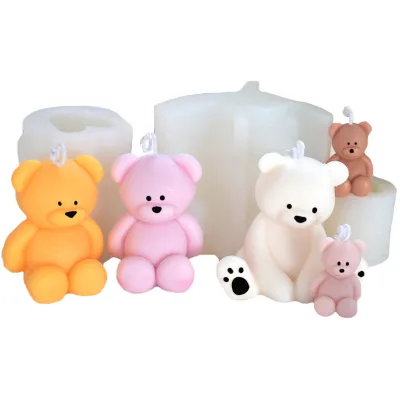
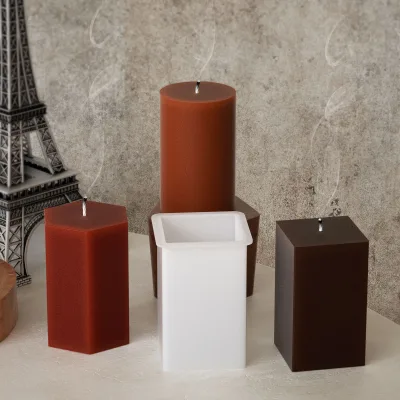
Procurement teams must first distinguish between general silicone tools and specialized aroma molds, as the supplied data reveals a mix of product types including cookie tools, candle molds, and cake tools. While the core keyword focuses on aroma applications, the observed listings explicitly describe items for baking and candle making, requiring buyers to verify that the specific mold geometry supports essential oil diffusion or wax casting rather than just food preparation. The presence of "Western" style attributes and "Irregular" shapes suggests a market segment that values aesthetic versatility, yet the primary function must be confirmed against the intended use case to ensure the mold's thermal and chemical properties align with aroma product requirements.
Buyers should scrutinize the "Eco-Friendly" and "Reusable" claims found in the product features, as these terms often appear alongside standard silicone descriptions without specific environmental metrics. The observed listings confirm the material is silicone, with some entries specifying "Organic Silicone," which may imply a higher purity grade suitable for sensitive applications like aromatherapy. However, the data also lists "Industrial" applications, creating a potential confusion point where a mold designed for heavy-duty use might not offer the same surface finish or scent retention as a dedicated consumer-grade aroma mold. Clarifying the specific end-use during the inquiry phase is essential to filter out products that, while made of silicone, are not optimized for fragrance integration.
Product Scope and Observed Listing Signals
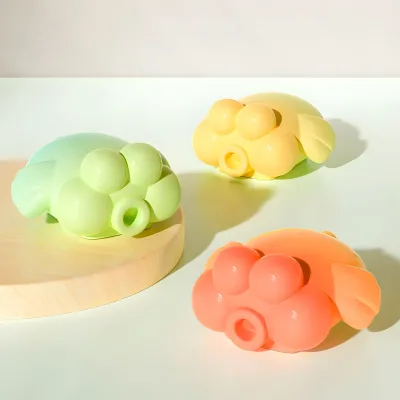
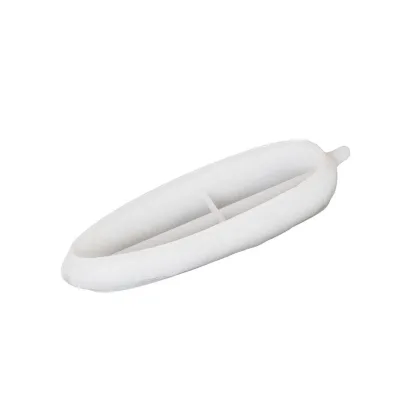
The observed product range indicates a significant variation in physical dimensions and packaging, with single package sizes ranging from 10x10x9 cm to 15x10x12 cm and weights varying from 16.5g to 0.500 kg. This disparity suggests that suppliers offer both compact, single-piece units and larger, heavier sets, which directly impacts shipping costs and storage requirements for the buyer. The "Irregular" shape attribute observed in the data implies that molds may not be standard geometric forms, requiring buyers to request detailed CAD files or physical samples to ensure the design fits their specific branding or retail packaging constraints.
Listing signals also reveal a mix of packaging types, including polybags, OPP bags, and cartons, which affects the perceived value and protection level of the goods. The "White" color is a dominant attribute across multiple entries, aligning with the core keyword, yet some listings mention custom color options, indicating that the standard white offering may be a baseline for customization. Buyers must verify if the "WhiteD1" through "WhiteD4" color codes represent distinct shades or simply different batch identifiers, as inconsistent color matching can be a critical failure point for brands requiring strict visual consistency across their product lines.
Technical Specifications to Verify
Material composition is the primary technical variable, with listings citing "Silicone," "Silicone Products," and "Organic Silicone." While all indicate a silicone base, the distinction between standard and organic grades is critical for aroma molds, as organic variants often offer superior resistance to staining and odor absorption. Buyers should explicitly request material safety data sheets (MSDS) to confirm the absence of fillers that could compromise the mold's ability to release scents or withstand repeated heating cycles, especially since the observed hardness is listed as "Soft," which may affect the mold's structural integrity during demolding.
Dimensional accuracy and thermal performance are equally vital, given the observed standard sizes like 32x95mm and the "Weight: 100G" specification. The "Easy demoulding" feature is a common claim, but for aroma molds, this must be validated against the viscosity of the intended liquid wax or oil mixture. Buyers should verify the maximum operating temperature and the specific "Shelf Life" of 12 months mentioned in the data, ensuring the mold retains its flexibility and non-stick properties over the expected product lifecycle. Without these specific thermal and dimensional verifications, the risk of product deformation or poor scent release remains high.
Compliance and Safety Documentation
Safety compliance is a non-negotiable aspect of sourcing silicone aroma molds, particularly when the products may come into contact with skin or be used in enclosed spaces. The observed data lists FDA, RoHS, REACH, and ISO certifications, which are strong indicators of regulatory adherence for food and consumer goods. However, the presence of "Industrial" application tags alongside these certifications suggests that not every listed product is intended for direct consumer contact. Buyers must demand specific test reports confirming that the specific batch of molds meets the relevant safety standards for the intended aroma application, rather than relying on general certification claims.
Documentation verification should extend to the "Eco-Friendly" claims, which require substantiation through third-party environmental assessments. While the data mentions "Eco-Friendly" as a feature, it does not provide specific recycling codes or biodegradability metrics. Procurement teams should request evidence of the manufacturing process's environmental impact, such as energy usage reports or waste management certifications, to ensure the "Eco-Friendly" label is not merely marketing fluff. Additionally, verifying the "Hand Wash Only" care instructions against the intended usage frequency is necessary to ensure the mold's longevity and safety over time.
Cost Drivers and Commercial Terms
Pricing in this category is influenced by material grade, customization complexity, and order volume, with observed prices ranging from $0.21 to $10.88 per unit. The wide price spread likely reflects differences between basic white silicone molds and those with custom logos, specific shapes, or organic material compositions. Buyers should analyze the cost per unit relative to the "MOQ" range of 1 to 999, understanding that lower MOQs often carry a premium due to setup costs, while higher volumes may unlock better pricing tiers for custom tooling. The "Sample Time" of 3 days is a positive indicator of supplier agility, but this should be weighed against the potential cost of expedited shipping for urgent orders.
Commercial terms must clearly define the scope of "Customization," which includes logo placement, color variations, and packaging. The data shows "Logo: as Customized" and "Color: Customized," but buyers need to clarify if these customizations incur additional tooling fees or if they are included in the unit price. The "Disposable: Non-Disposable" attribute confirms the product is designed for reuse, which should be factored into the total cost of ownership calculations. Buyers should also negotiate terms regarding packaging, as the mix of polybags, OPP bags, and cartons can significantly affect the final landed cost and the presentation of the product to end consumers.
Supplier Qualification and Quality Control
Supplier qualification requires a rigorous assessment of their manufacturing capabilities, particularly given the "Guangdong, China" and "Zhongshan, China" origins noted in the data. These regions are known for silicone production, but buyers must verify the specific factory's quality control protocols to ensure consistency in the "Soft" hardness and "Irregular" shapes observed. The "Handmade" feature mentioned in some listings suggests a reliance on manual processes, which can introduce variability in weight and dimensions. Buyers should request a detailed quality control plan that outlines how these manual variations are managed and rejected before shipment.
Quality control checks must focus on the "Easy demoulding" and "Reusable" claims, which are critical for the user experience of aroma molds. Buyers should implement a sampling protocol that tests the mold's performance over multiple cycles to ensure it does not degrade or retain odors after repeated use. The "Care instructions: Hand Wash Only" must be validated through practical testing to ensure the mold can be cleaned effectively without damaging the surface. Additionally, verifying the "Single gross weight" consistency across batches is essential to prevent shipping discrepancies and ensure that the product meets the specified weight standards for inventory management.
Long-Term Procurement Checks
Sustaining a successful procurement relationship involves regular audits of the supplier's ability to maintain the "Eco-Friendly" and "FDA" compliant standards over time. As the market evolves, suppliers may alter their material formulations or production processes, potentially affecting the mold's performance and safety profile. Buyers should establish a schedule for periodic re-testing of samples to ensure that the "Shelf Life" of 12 months remains accurate and that the material continues to meet the required safety certifications. This proactive approach helps mitigate the risk of supply chain disruptions caused by regulatory changes or material shortages.
Long-term checks should also include monitoring the supplier's responsiveness to customization requests and their ability to scale production without compromising quality. The observed "Sample Time" of 3 days is a benchmark for agility, but buyers must ensure this speed is maintained as order volumes increase. Regular reviews of the "Product Name" and "Model Number" consistency are necessary to avoid confusion in the supply chain, especially when dealing with multiple SKUs like "GP-SWM003" and "GP-SMJ001." By maintaining a dynamic relationship with the supplier, buyers can ensure that the eco-friendly white silicone aroma molds continue to meet their evolving business needs and market demands.
FAQs
What material is used for the eco friendly white silicone aroma mold?
The mold is crafted from high-quality silicone, specifically organic silicone, ensuring it is safe and durable for repeated use. This material choice supports eco-friendly practices while providing the necessary flexibility for easy demoulding of complex shapes. The soft texture allows for gentle handling without damaging the delicate aroma products being created.
Can I customize the logo on the silicone aroma mold?
Yes, logo customization is available for these silicone molds. Buyers can request specific branding to be applied to the product, allowing for unique identification. This service supports personalized orders, making it suitable for businesses looking to add their own touch to the aroma molds they procure for their specific market needs.
What certifications does the silicone aroma mold hold?
The product holds FDA, RoHS, REACH, and ISO certifications, ensuring compliance with international safety and environmental standards. These credentials verify that the silicone material is safe for contact and meets rigorous quality controls. Buyers can rely on these documented standards when sourcing for markets with strict regulatory requirements for consumer goods.
How long is the sample time for the silicone aroma mold?
The sample time is typically three days, allowing for quick evaluation of the product quality before placing a larger order. This rapid turnaround helps buyers assess the mold's features, such as its softness and ease of demoulding, efficiently. It supports agile sourcing decisions by providing timely access to physical product samples for review.
What is the packaging method for the silicone aroma mold?
The molds are packaged in polybags, OPP bags, or plastic bags, with carton options also available for bulk shipments. This flexible packaging ensures the products are protected during transit while allowing for efficient storage and handling. The choice of packaging can be tailored to meet specific logistical requirements or buyer preferences for retail presentation.
Is the silicone aroma mold disposable or reusable?
The mold is non-disposable and designed for reusable applications. Its durable silicone construction allows for repeated use in creating aroma products, offering long-term value. This reusability aligns with eco-friendly principles by reducing waste, making it a sustainable choice for businesses focused on environmentally responsible manufacturing and product lifecycles.